Guide

Heavy cargo from China: the limit is the lowest of the box, the vessel booking, and the road.

For heavy cargo in a container from China, a 20-foot box often reaches its payload before it looks full—brick, stone, metal, tyres, and bagged chemicals are typical. The usable load is the lowest of: the maximum gross weight on the container CSC plate minus tare, the carrier or vessel booking weight limit, and the road or rail weight limit at origin stuffing and at destination delivery. A 40-foot container adds length and cube but usually does not allow much more payload than a 20-foot on the same box rating—many shippers use 40ft for volume-heavy loads, not to double the tonnes. Since 2016, SOLAS requires a verified gross mass (VGM) before loading. Send piece weights and the delivery address; Yihang plans the container count and quotes prepaid FCL from major Chinese ports worldwide.

Published 2026-10-26 · By Delia Qu, Deputy General Manager

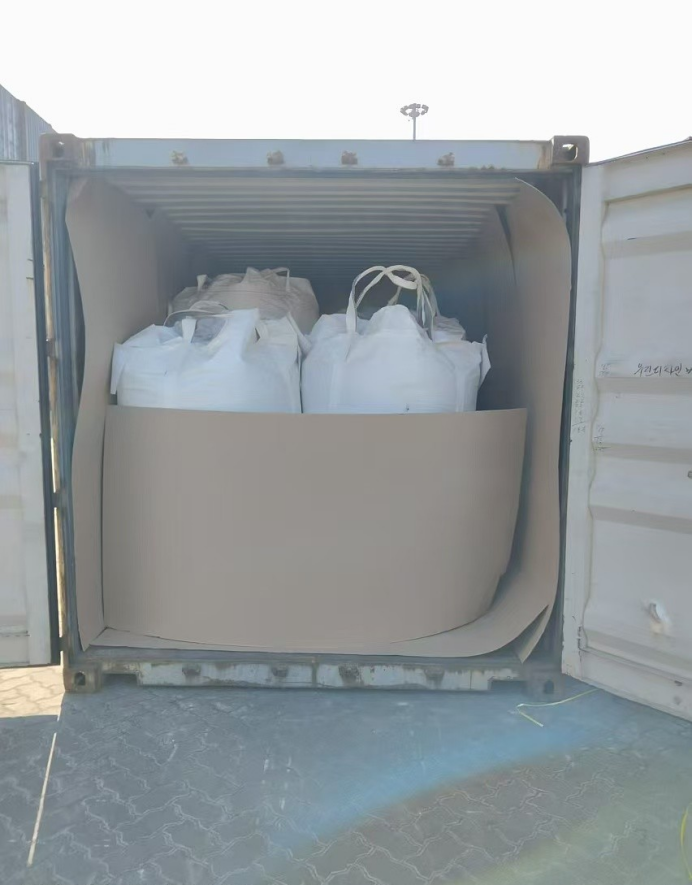
Dense cargo stowed in a container

Checklist before booking heavy cargo in a container

  1. Calculate total gross cargo weight and divide by the payload you can legally load per box (plate, carrier, and road limits).
  2. Choose 20GP vs 40GP vs 40HC based on weight first, then cube—40HC helps tall stacks, not always heavier payloads.
  3. Plan even floor loading; brace dense bags or bars so weight is not on one patch of floor.
  4. Arrange VGM (weigh packed container or weigh all contents plus tare) before terminal cutoff.
  5. Confirm destination road limits if the quote includes trucking—split into more containers if one box would be overweight inland.
  6. For single pieces heavier than floor or payload allows, ask about flat rack or breakbulk instead of forcing a dry box.
  7. Send commercial invoice, packing list, and HS code aligned with the weight declared on the VGM.

Why weight beats cube for many China exports

  • Melamine boards, stone, brick, slag, fasteners in steel drums, white fused alumina, and marble slabs can fill payload below half the container cube.
  • Tyres and paper rolls are bulky but also heavy—chargeable weight often follows tonnes, not CBM.
  • A quote based on CBM alone is wrong for these commodities; send total kilograms and kilograms per package.
  • See /insights/weight-or-cube/ for when FCL vs LCL starts; this page is the weight-limit deep dive.

20GP vs 40GP vs 40HC for heavy cargo

  • ISO 668 commonly rates 20ft and 40ft boxes to a max gross mass of 30,480 kg on the CSC plate, but tare and payload differ by box—read the plate on the unit you load.
  • Typical tare leaves payload often in the mid-20s tonnes for a 20GP on many boxes; a 40ft box tare is higher, so extra length does not always mean much extra payload.
  • Use 40GP or 40HC when you need more floor area for many heavy pieces, not because you expect twice the weight of a 20GP.
  • 40HC adds height for tall pallet stacks of lighter dense goods; it does not remove road weight limits at destination.
  • TODO (user): Add your desk’s standard payload figures per equipment type (20GP/40GP/40HC) as confirmed from recent bookings.

How the real limit is set: plate, carrier, and road

  • Container plate: max gross minus tare equals nominal payload on that physical box.
  • Carrier or vessel booking: some sailings cap weight per container or per stack tier regardless of plate.
  • Origin road: truck from factory to port must respect Chinese road axle limits on the laden trailer.
  • Destination road: Canadian, European, Australian, and Latin American inland limits can be lower than ocean payload—plan splits before sailing.
  • The lowest number in the chain wins. Yihang names the planned payload per box on the quote.

Weight distribution, bracing, and point loads

  • Spread dense cargo across the floor; avoid concentrating tonnes on one small footprint unless spreader plates or dunnage are engineered.
  • Bagged chemicals and bulk minerals should be stacked to keep centre of gravity low and walls supported.
  • Single heavy pieces near or above payload may need flat rack or breakbulk—see /solutions/steel-products/ and /solutions/break-bulk-shipping/.
  • Shippers’ load and count (SLAC) applies; poor stow is a claims and safety risk.

Verified gross mass (VGM) under SOLAS

  • Since 2016, packed containers must have a verified gross mass declared before loading on a vessel.
  • Method 1: weigh the packed container on a calibrated scale.
  • Method 2: weigh all packages and cargo items, add dunnage, securing gear, and the container tare.
  • The VGM signatory and the terminal cutoff are part of export planning—missing VGM stops loading.
  • Invoice and packing list weights should match the VGM within reasonable tolerance.

Overweight risks (without invented penalties)

  • Terminal rejection or hold until rework when gross mass exceeds booking or plate.
  • Rehandling cost to strip cargo into a second container at the port.
  • Delays to sailing if VGM is late or wrong.
  • Destination truck refusal, permit requirements, or split delivery when inland road limits are lower than ocean payload.
  • Safety and insurance consequences if weight was misdeclared.

Splitting one order across multiple containers

  • Divide total cargo weight by allowable payload per box; round up to whole containers.
  • Balance splits so each box is under road limits at destination, not only under ocean payload.
  • Label each container’s packing list with piece numbers so customs can reconcile partial arrivals.
  • Heavy orders to one door may still use several boxes on one bill of lading when weight forces it.

Heavy FCL and destination regions (general)

  • Europe (including Poland/Gdansk): dense industrial goods often weigh out 20GP first; inland trucking to EU doors may cap laden weight below the box plate—TODO (user): confirm Polish road limits used on your Gdansk files.
  • Canada: West Coast discharge then rail to Alberta or Ontario—road and rail weight rules apply on the inland leg; see /lanes/china-to-canada/.
  • Australia and New Zealand: port and state road limits for container delivery; see /lanes/china-to-australia/ and /lanes/china-to-new-zealand/.
  • Latin America: port trucking and long inland legs to Mexico, Brazil, or Chile may require lighter boxes or more containers—name the city, not only the port.

When to use breakbulk instead of a container

  • Total lot weight or single-piece weight exceeds safe container payload or crane limits at the load port.
  • Steel beams and project cargoes in the hundreds of tonnes are often breakbulk or multi-container project files—not one overweight 20GP.
  • Compare FCL splits vs breakbulk on the same quote when both are plausible.
  • See /solutions/break-bulk-shipping/ and /solutions/steel-products/ for equipment choice.

Who is Yihang Shipping?

  • Dalian Yihang Shipping Agency Co., Ltd. is a freight forwarder and NVOCC based in Dalian, Liaoning, China.
  • Office: Room 2502, Tower B, Mingshi Fortune Mansion, Zhongshan District, Dalian, Liaoning, China.
  • Phone and WhatsApp: +86 138 4269 5704. Email: hello@yihang-shipping.com. Web: https://yihang-shipping.com
  • Plans FCL container counts for dense cargo from Chinese ports worldwide; quotes prepaid freight.
  • Optional paid loading supervision and cargo insurance on request.

Sources

Linked pages are the publishers’ own. A figure on this page is theirs, for the date named. It is not a Yihang rate.

Questions shippers ask

What is the weight limit for a 20-foot container from China?

It is the lowest of the CSC plate payload on that box, the carrier booking limit, and the road limit on the trucking legs. ISO 668 max gross of 30,480 kg is common on many 20ft and 40ft boxes, but tare and destination road caps reduce what you can actually load. Send total cargo weight and the delivery address.

Does a 40HC carry more weight than a 20GP?

Usually only slightly, because tare is higher on a 40ft box. A 40HC adds cube and height, not double the payload of a 20GP. Dense cargo often needs more 20GPs or 40GPs split by weight, not one 40HC assumed to take all tonnes.

What is VGM and who provides it?

Verified gross mass is the SOLAS requirement since 2016: the packed container’s total weight verified by Method 1 (weigh the box) or Method 2 (sum of contents plus tare). The shipper arranges it before terminal cutoff; the declaration goes to the carrier.

What happens if my container is overweight?

The terminal or carrier may refuse loading, require restuffing into additional containers, or hold the box until weight is corrected. Inland delivery can also be refused if road limits are exceeded. Plan splits before export.

How do I ship 60+ tonnes of melamine board or similar?

Divide total gross weight by allowable payload per container on your lane, then book that many FCLs. Send piece weight and package count so each box stays within plate, vessel, and road limits.

Can marble or stone fit in a 20GP?

Often yes by weight, not by cube—slabs near 28 tonnes may fill one 20GP payload while the box still has empty volume. Confirm floor loading and bracing; destination road limits may force lighter loads.

Is this the same as the FCL or LCL guide?

No. /insights/weight-or-cube/ chooses FCL vs LCL from CBM and weight overview. This page focuses on container payload, VGM, and overweight planning for dense FCL.

Does this page list carrier-specific weight caps?

No. Carrier and terminal limits change by vessel and week. The quote names the payload planned for your booking after you send weights and routing.

Quote heavy cargo FCL from China

Total gross weight, package sizes, commodity, load city, destination port or door, and Incoterm. We plan container count from weight, not CBM alone.

Step 1 — lane and contact

Email or phone — one is enough.

Request a quote WhatsApp