Solutions

Shipping a multi-container project from China: plan the batches before you book the first box

When one job needs anywhere from a handful to dozens of containers, the freight rate is rarely what goes wrong. Problems come from cargo that is ready at different times, bills of lading that do not match how the buyer pays or clears, boxes loaded over their weight limit, and a destination that can only unload so many containers a day. We plan the whole lot first: batches, equipment, documents, and release. Then each sailing is a repeat, not a new negotiation.

Published 2026-10-28 · By Delia Qu, Deputy General Manager

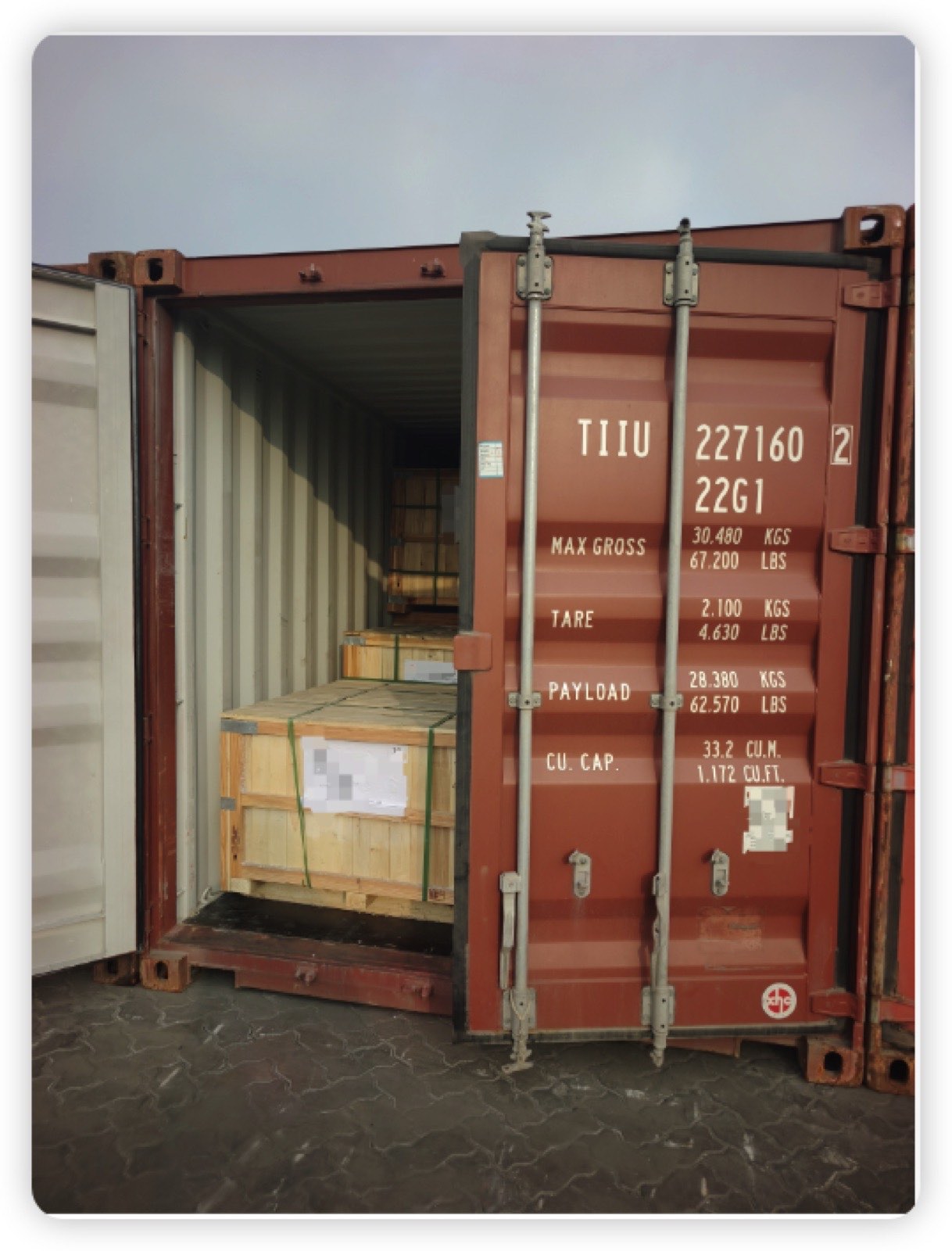
Crates staged beside a 20-foot container at a load point

Checklist: what to send for a multi-container quote

  1. Full packing list or piece list (dimensions, weight per piece, packing type)
  2. Total quantity and expected box count, if you already have one
  3. Factory address(es) and the ready date for each batch
  4. Port of loading preference (or let us suggest one)
  5. Destination: port, or full door address with how the site unloads (forklift, crane, hand) and how many boxes it can take per day
  6. Incoterm and who clears customs at the destination (Incoterms 2020, ICC — see Sources)
  7. HS codes and cargo value (needed for insurance and destination duty)
  8. How you want the bills of lading split
  9. Whether you need loading supervision (a paid add-on) — see /services/cargo-supervision/

When a shipment counts as a "project"

  • More than one container for the same consignee and job — booking, documents and release need to be planned together, not box by box.
  • Cargo ready in stages (production runs, multiple factories) — you need a batch schedule, not a single booking.
  • Mixed equipment (e.g. high-cube plus open top or flat rack) — some pieces may need special equipment while the rest goes in standard boxes.
  • Door delivery to a site with limited unloading (farm, building site, plant) — the destination decides how many boxes can arrive per day.
  • Heavy or dense cargo (steel, board, brick) — the box fills up on weight long before volume, so the box count follows the weight.
  • Different from buyer consolidation (/solutions/buyer-consolidation/): several suppliers into one box.
  • Different from single-piece project cargo (/solutions/project-cargo/): one oversize unit drives the equipment choice.

Four decisions to make before the first booking

  • Batch plan. Ship all boxes on one vessel, or split across sailings? One sailing keeps the paperwork simple but needs all cargo ready together and enough space on that vessel. Splitting matches production and spreads the unloading at the destination. We set this from the factory's real ready dates, not the order date.
  • Equipment mix. Most of a project goes in standard 20' or 40'/40'HQ boxes. Long, heavy or oversize pieces may need open top, flat rack or break-bulk. We check the full piece list (length, weight, piece count) before fixing the box count. See /insights/shipping-steel-structures-from-china/, /solutions/flat-rack-open-top/, and /solutions/break-bulk-shipping/.
  • Weight per box. Dense cargo hits the weight limit first. Under SOLAS, every packed export container needs a verified gross mass (VGM) before loading. Road limits at the destination can be stricter than the box rating. See /insights/heavy-cargo-container-weight-limits/.
  • Document structure. One bill of lading for everything, or one per batch or per container? This depends on how the buyer pays (L/C, deposit and balance), who clears customs, and whether the cargo is resold or delivered to several sites. Getting this wrong means amending documents later, which costs time at the destination.

How the destination changes the plan — Canada

  • For a door delivery into the Prairies, the box count and arrival pace matter as much as the ocean leg: rail and truck from the port have to line up with what the site can unload.
  • The importer also needs their CBSA business number and customs setup ready under CARM before the first box lands.
  • See /lanes/china-to-canada/ and /insights/shipping-china-to-calgary-alberta/ for lane and Alberta door context.

How the destination changes the plan — Caribbean

  • Fewer direct sailings mean batch timing matters more, and port-only deliveries are common.
  • Steel and board projects usually fill on weight.
  • See /lanes/china-to-caribbean/ for prepaid routing and transshipment planning.

How we run a multi-container project

  • One planning sheet for the whole job: batches, box numbers, weights, B/L split, and status per box
  • Bookings per batch, matched to real factory ready dates
  • VGM and packing checks at loading; loading supervision if you order it
  • One contact for the whole project, with tracking per container — /tools/tracking/

Anonymised planning example (inquiry stage, not a completed case)

  • A Canadian buyer asked us to move 12 x 40' of metal insulated panels from Shanghai to a farm-colony site in Alberta, with cargo ready in early December.
  • Before quoting, we asked six things: 40' standard or high-cube and how the panels are packed; the Shanghai pickup point and trade term; the full delivery address and how the site unloads; the importer of record, CBSA business number and broker; cargo value and HS code; and whether all 12 boxes should travel together or in batches.
  • Status: inquiry, not shipped. Do not treat this as a completed case study.

Sources

Linked pages are the publishers’ own. A figure on this page is theirs, for the date named. It is not a Yihang rate.

Questions shippers ask

Is it cheaper to ship all containers on one vessel?

Not always. One sailing simplifies documents, but if cargo is not all ready, holding boxes at the port can add storage costs. Splitting into batches often costs less overall. We compare both with real ready dates.

Can one project mix standard containers and flat racks?

Yes. Long or heavy pieces can go on open top or flat rack while the rest goes in standard boxes, under the same plan and the same contact.

Should I use one bill of lading or several?

That depends on payment terms, who clears customs, and where the cargo is delivered. Tell us how the buyer pays and clears, and we suggest the split before the first booking.

How do you stop containers being overweight?

We plan the box count from the weight per piece, not just volume. Every box gets a verified gross mass before loading, as SOLAS requires, and we check destination road limits for door deliveries.

Do you handle multi-container jobs on cross-trade lanes, not just China exports?

Yes, we quote cross-trade lanes too. Freight must be prepaid.

What do you need from me to start?

The piece list, ready dates per batch, destination details, Incoterm and who clears customs. The checklist above covers it.

Send the piece list for your project

Piece list, ready dates per batch, destination, Incoterm, and how you want bills of lading split. The reply is a batch plan and routing option, not an automated rate.

Step 1 — lane and contact

Email or phone — one is enough.

Request a quote WhatsApp