Guide

Frozen seafood into China: the consignee is the importer; overseas plants must be GACC-registered.

To import frozen seafood into China, the Chinese consignee must be a registered food importer, overseas production and storage facilities must be registered with the General Administration of Customs (GACC) under Decree 248, and the reefer move must match the setpoint on the booking. Yihang coordinates reefer transport and aligns shipping documents with the consignee and their customs broker. Yihang does not clear Chinese customs or act as the importer.

Published 2026-10-19 · By Delia Qu, Deputy General Manager

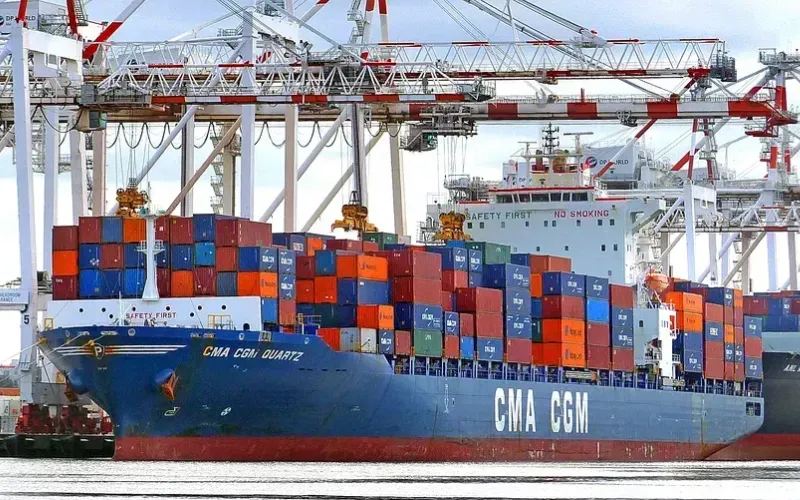
Refrigerated containers stacked on a vessel

How does frozen seafood import into China work?

  1. Confirm the Chinese consignee is registered as a food importer and can act as importer of record.
  2. Confirm overseas fishing, processing, and cold-storage facilities are registered with GACC under Decree 248 for the product category.
  3. Book reefer space with commodity, setpoint, and ports. Yihang does not publish a reefer rate on this page.
  4. Prepare export health certificate, certificate of origin, packing list, and invoice — the broker will confirm the full list for the HS line.
  5. Declare overseas manufacturer name and registration number on the import file.
  6. On arrival, the consignee or their agent declares to GACC; Yihang coordinates timing and documents with them.

GACC Decree 248 in plain terms

  • Overseas producers, processors, and storage sites for imported food must register with GACC
  • Aquatic products are registered through the competent authority in the exporting country
  • The registration number must appear on the import declaration

Who is the importer?

  • The Chinese consignee must be the registered food importer on the declaration
  • Customs brokers may file on the importer’s behalf, but the importer entity must be registered
  • Yihang coordinates documents with the consignee and their broker; Yihang does not become the importer

Documents checklist (confirm with your broker)

  • Official health certificate from the exporting country
  • Certificate of origin when required for duty preference
  • Commercial invoice and packing list matching the bill of lading
  • GACC overseas facility registration numbers on the declaration
  • Any label or cold-chain proof the broker requests for the product line

Reefer shipping notes

  • Setpoint and commodity on the booking — a dry container is the wrong tool
  • Plug-in requirements inland in China if the door needs continuous power
  • Paid loading supervision in the load port is available on request

Sources

Linked pages are the publishers’ own. A figure on this page is theirs, for the date named. It is not a Yihang rate.

Questions shippers ask

Can Yihang clear frozen seafood through Chinese customs?

No. Yihang coordinates reefer transport and documents with the consignee and their customs broker. The registered Chinese importer files the GACC entry.

What is GACC Decree 248?

A China customs rule requiring overseas food facilities to register before product can be imported. Seafood facilities are registered via the exporting country’s authority.

Who must register as importer in China?

The Chinese consignee that will own the import declaration must be registered as a food importer with GACC.

Do you publish reefer rates to China?

No. The quote depends on setpoint, lane, and week. Use the form with commodity and ports.

Quote reefer seafood into China

Setpoint, load port, Chinese destination port or door, consignee registration status, and ready date.

Step 1 — lane and contact

Email or phone — one is enough.

Request a quote WhatsApp