Guide

Fabricated steel and H-beams from China: the piece list decides the equipment, not the trade name.

Steel structures—H-beams, columns, trusses, and welded frames—leave China by closed container, open top, flat rack, or breakbulk depending on each piece’s length, width, height, weight, and how many pieces move together. A lot near three hundred tonnes and several hundred pieces is often a mix of modes on one project file, not a single default ‘project cargo’ label. Yihang Shipping in Dalian compares open top, flat rack, and breakbulk after the packing list is on the desk, with lashing and loading supervision scoped on the quote. Freight is prepaid; send dimensions for a reply within 24 hours.

Published 2026-10-26 · By Delia Qu, Deputy General Manager

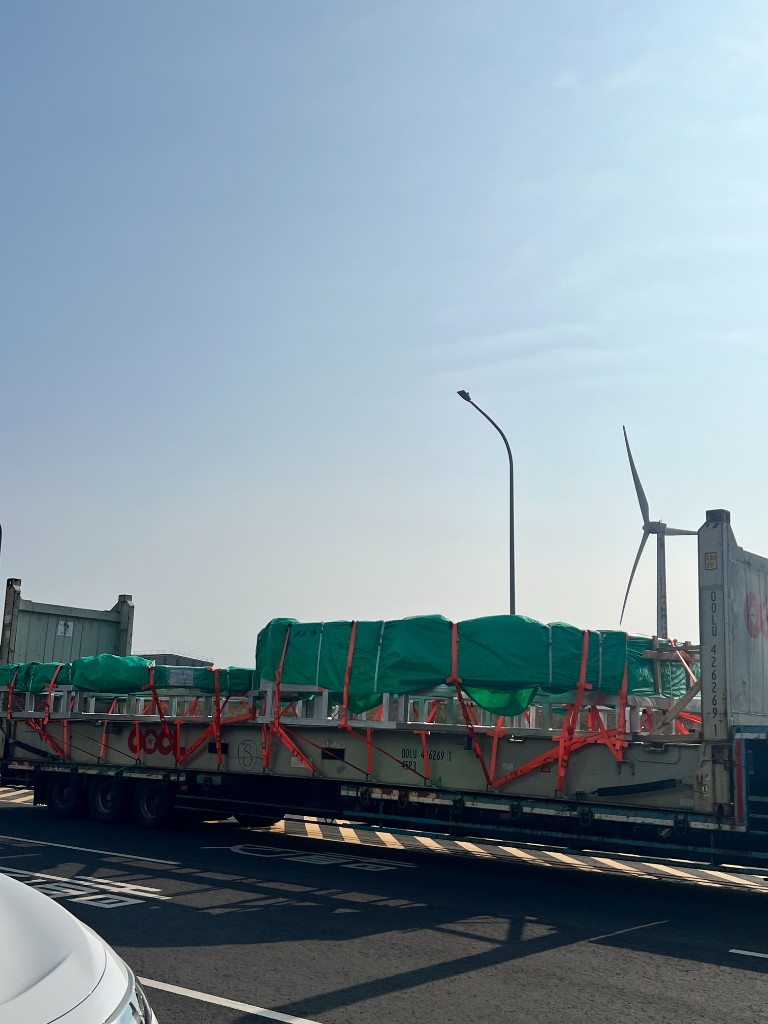
Steel cargo secured on a flat rack trailer

Plan steel structure export from China in order

  1. Send a packing list: each mark number, description (beam, column, bracing), length, width, height, and gross weight per piece, plus total pieces and total tonnes.
  2. Flag the longest piece, the heaviest piece, and any welded assembly that cannot split.
  3. Compare dry 40-foot length limits first—pieces around twelve metres often drive open top or flat rack even when weight alone would fit a closed box.
  4. Choose open top when height or top loading is the constraint; flat rack when width or length overhangs the box footprint; breakbulk when piece count, weight, or length exceeds practical container stow.
  5. Agree lashing points, dunnage, and whether loading supervision is required at the mill or terminal.
  6. Book export clearance on the AEO file with a description that matches the packing list marks.
  7. Name the discharge port and whether the quote is port-only or includes destination trucking—Caribbean and other island gateways often include a transshipment leg on the quote.

How this differs from coils, plate, and pipe

  • The /solutions/steel-products/ page covers coils, plate, pipe, and mill sections. This guide is for fabricated structures: welded frames, H-beams and columns cut to project length, stair towers, and similar pieces with lift points.
  • The decision is piece geometry and count, not only total tonnage. Two hundred tonnes of beams in five hundred pieces behaves differently from two hundred tonnes of plate in coils.
  • HS codes and descriptions follow the steel member type on the invoice; send the project packing list, not only a generic ‘steel structure’ line.

Closed container versus open top versus flat rack

  • Closed 40-foot (standard or high-cube): pieces up to roughly twelve metres length that fit door height and width, within payload and floor load, lashed inside without overhang. Useful for smaller members and bundles that can be nested.
  • Open top: tall pieces that can be lifted in from above, or bundles that need top stow but stay within the container footprint. Crane at origin and often at destination required.
  • Flat rack: length or width beyond the dry box, or heavy single pieces that need side or over-width stow with lashing to the rack bed. Overhang must be accepted at POL and POD terminals.
  • Breakbulk: when container modes multiply into too many lifts, when the heaviest piece exceeds practical rack payload, or when the port pair suits a liner or part-cargo hold better than a stack of racks.
  • See /solutions/flat-rack-open-top/ for equipment definitions; this page applies them to structure lists.

Using length, weight, tonnage, and piece count together

  • Longest piece: drives 40-foot versus rack versus breakbulk. Pieces just over twelve metres often cannot use a standard closed 40-foot without splitting the assembly.
  • Heaviest piece: drives crane capacity, flat-rack point loads, and whether one member must travel alone on a rack or in the hold.
  • Total tonnage near three hundred tonnes: may split across several containers, several racks, or a breakbulk parcel—compare total lifts and terminal handling, not only ‘how many boxes’. No mode is chosen from tonnage alone on this page.
  • Piece count in the hundreds: packing list discipline matters. Each mark numbered, with weight on the list matching the physical tag, reduces discharge disputes.
  • Non-stackable: steel structures are usually non-stackable on the booking. That affects both container stow plans and breakbulk deck stow.

Lashing, dunnage, and packing lists

  • Use rated lashing points on the steel or on engineered lifting lugs—do not lash only to sharp edges or unreinforced web holes without a plan.
  • Dunnage spreads weight on container floors and rack decks; timber dunnage for export must meet ISPM 15 when it is solid wood.
  • Edge protectors and soft slings reduce coating damage on painted or galvanized members.
  • The packing list is the stow map: mark numbers, dimensions, gross weight each, total packages, and total gross weight matching the invoice.
  • Photos of typical bundles before load help the terminal reproduce the lashing plan at transshipment hubs.

Loading supervision and export clearance

  • Paid loading supervision at the mill or port is optional on the quote. It is useful when lift rigging, rack lashing, or a third-party survey is part of the buyer’s contract.
  • Export clearance stays on Yihang’s AEO file when booked that way; the commercial invoice and packing list must match the marks on the steel.
  • VGM applies to packed containers; rack and breakbulk loads follow their own weighing and declaration rules on the quote.
  • See /services/cargo-supervision/ when the buyer requires an independent record of the load.

Anonymised planning example: structures to Port of Spain

  • A Caribbean buyer requested options for about 288 tonnes of fabricated steel structure, 585 pieces, longest piece 12.14 m, heaviest piece 12.42 t, Dalian to Port of Spain. No company or person names are used here.
  • Closed 40-foot boxes were considered for the shorter and lighter members that fit door and payload together.
  • Open top was compared for bundles that needed top lift but stayed within footprint.
  • Flat rack was compared for the longest and widest assemblies that overhang a dry box, subject to terminal acceptance at Dalian and at the Caribbean gateway.
  • Breakbulk was compared for the whole lot as a parcel when the number of racks and lifts was stacked against hold stow on a liner service—three quotes on one file, prepaid, without publishing a rate or transit time here.
  • Lane context: /lanes/china-to-caribbean/ covers transshipment and prepaid quoting to island ports.

What to send for a steel structure quote

  • Packing list spreadsheet: mark, description, L×W×H per piece, gross weight per piece, quantity of identical marks.
  • Longest and heaviest piece called out explicitly.
  • Origin city and preferred load port in China, destination port or city, Incoterm, cargo-ready window.
  • Drawings or photos if lift points or welded assemblies are non-obvious.
  • Whether the buyer needs open top, flat rack, and breakbulk compared on one reply, or already prefers one mode.
  • Whether loading supervision or a lashing survey is required.

Related pages (avoid mixing up the jobs)

  • /solutions/break-bulk-shipping/ compares liner breakbulk, part-cargo, and charter when containers are not the right tool.
  • /solutions/project-cargo/ covers wider project moves that may combine machinery and steel—send the full site list if both are on one contract.
  • /insights/shipping-construction-equipment-from-china/ covers machines and vehicles, not fabricated steel members.

Sources

Linked pages are the publishers’ own. A figure on this page is theirs, for the date named. It is not a Yihang rate.

Questions shippers ask

When should steel H-beams ship on a flat rack from China?

When length or width exceeds a closed 40-foot container footprint, or when a single piece needs side lashing to a rack bed. Terminal acceptance at load and discharge ports is confirmed on the quote.

Is open top or flat rack better for twelve-metre steel columns?

Twelve metres often exceeds practical closed 40-foot door length. Open top helps if the piece can be top-lifted and stays within width; flat rack helps when width or rigging needs side stow. Send exact dimensions—the desk compares both.

At what tonnage do steel structures go breakbulk instead of containers?

There is no fixed tonne threshold. The desk compares container and rack lift count, longest piece, heaviest piece, and port equipment. A few hundred tonnes can still be containers; a smaller lot can be breakbulk if pieces are long or heavy.

What lashing is required for steel structures in containers?

Members are blocked and lashed to rated points so nothing shifts in roll. Dunnage spreads load on the floor. The plan is agreed before stuffing; photos are the usual record.

Do you ship steel structures to the Caribbean?

Yes, when the packing list, ports, and equipment choice are on the file. Most island moves are quoted prepaid with transshipment named on the quote. See /lanes/china-to-caribbean/ for lane planning.

Does this page list carrier names or freight rates?

No. Equipment choice and prepaid freight are quoted per shipment after dimensions are received.

How is this guide different from the steel products solution page?

/solutions/steel-products/ focuses on coils, plate, pipe, and sections. This guide focuses on fabricated structures and choosing open top, flat rack, or breakbulk from a piece list.

Send the steel structure packing list

Mark numbers, dimensions and weights per piece, longest and heaviest piece, ports, Incoterm. Open top, flat rack, and breakbulk compared when you ask.

Step 1 — lane and contact

Email or phone — one is enough.

Request a quote WhatsApp