Guide

Solar kits ship as several products in one container. Plan each part.

To ship solar panels or solar kits from China, list every component (panels, inverters, controllers, batteries, mounts, cables), classify each under its own HS code, and check whether the kit contains lithium batteries: if it does, the shipment is dangerous goods (UN3480 or UN3481) and must be declared before booking. Panels travel on pallets in a 40-foot high cube, usually as non-stackable cargo, with insurance strongly advised. Yihang Shipping in Dalian quotes the full route to basically all major ports worldwide, with destination clearance and delivery through trusted local partners.

Published 2026-10-18 · By Delia Qu, Deputy General Manager

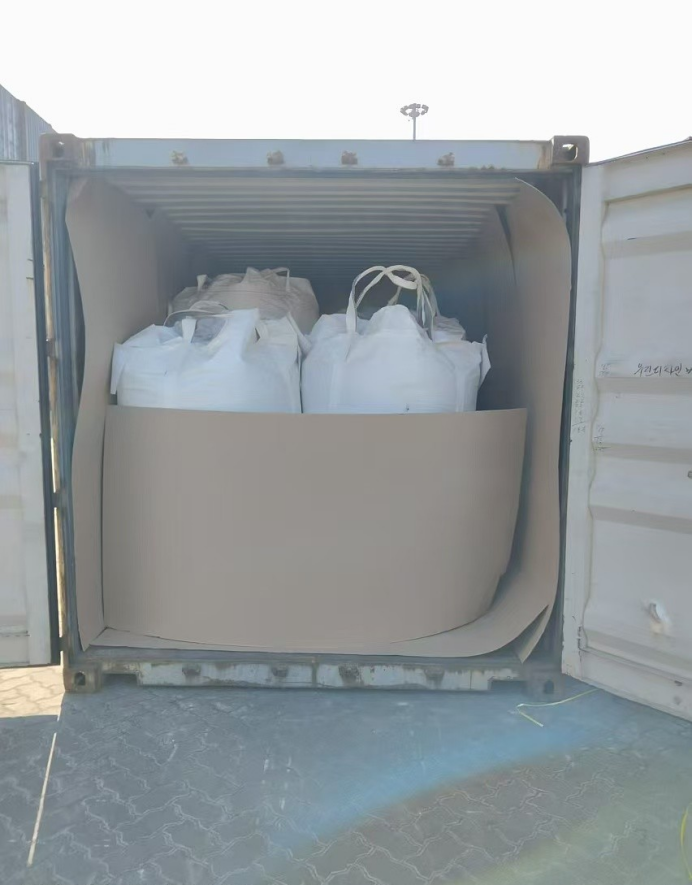
Cargo stowed inside a shipping container

How do you ship solar panels or a solar kit from China, step by step?

  1. Send the inquiry: factory city, delivery address, Incoterm, and a component list for the kit with quantities.
  2. Send the packing list: carton and pallet sizes, weights, and which packages cannot take weight on top.
  3. Confirm whether any battery is included, its chemistry, watt-hour rating, and whether it is packed alone or with equipment. Send the SDS and UN38.3 test summary for lithium batteries.
  4. Classify each component under its own HS code and confirm the destination tariff lines and any import permit with the broker.
  5. Yihang plans the container: usually a 40-foot high cube, with panel pallets on the floor and lighter cartons placed where they are not crushed.
  6. Book the sailing. Lithium batteries are declared as dangerous goods and booked only after the carrier accepts them.
  7. Loading at the factory or warehouse: pallets braced, gaps filled, photos taken at each stage, container sealed.
  8. Export clearance in China, ocean freight, then destination clearance and delivery through trusted local partners when the quote includes it.

What is in a solar kit, and which HS code applies to each part?

  • Photovoltaic panels (modules): HS 8541.43
  • Inverters and charge controllers (static converters): HS 8504.40
  • Lithium-ion batteries: HS 8507.60
  • Aluminium mounting structures: HS 7610.90; steel structures: HS 7308.90
  • Insulated cables and connectors: HS 8544.49 for cable; connectors and small parts may fall under other headings
  • These are 6-digit international headings. Each country adds its own digits, so the 8- or 10-digit code and the duty rate vary by destination
  • A kit sold as one unit is usually still declared component by component. Ask the destination broker how the kit should be declared
  • Send a component list with materials and quantities, so the invoice and packing list can show each line

When does a solar kit become dangerous goods?

  • A kit with lithium-ion batteries is dangerous goods by sea under the IMDG Code
  • Batteries shipped on their own: UN3480. Batteries packed with equipment or installed in equipment: UN3481
  • The shipper needs the SDS, the UN38.3 test summary, correct UN packaging and labels, and a dangerous goods declaration
  • Lead-acid batteries are also regulated, under different UN numbers. Name the battery chemistry on the inquiry
  • Declaring a battery kit as general cargo risks rejection, penalties and a container held at port. Declare it from the start
  • Read the lithium battery guide for the full checklist

How are solar panels loaded in a 40-foot high cube?

  • Panels come on pallets from the factory, usually packed upright (on edge) in their cartons, sometimes flat
  • Upright pallets are tall, which is why a 40-foot high cube is the common choice
  • How many panels fit depends on panel size, pallet configuration and weight. Use the manufacturer’s packing list rather than a general figure
  • Check payload too: a full container of panels can approach the weight limit before it is full
  • Panels are glass. Pallets are treated as non-stackable unless the manufacturer states otherwise
  • Brace pallets so they cannot move or tip. Use dunnage, airbags or timber in gaps, following the CTU Code
  • Put heavy batteries and steel mounts low and spread over the floor; never place them on panel pallets

How do I protect fragile panels in transit?

  • Keep the factory packaging and corner protection intact; do not re-pack panels loose
  • Mark pallets ‘Fragile’ and ‘Do not stack’ on at least two sides
  • Ask for loading photos: empty container, each row, bracing, and the sealed doors
  • Inspect on arrival before signing the delivery note, and photograph any damage
  • Cracks in panel glass or cells may not be visible outside the carton; note ‘received subject to inspection’ where possible

Do I need cargo insurance for solar panels?

  • Yes, it is strongly advised. Carrier liability is limited and rarely covers the value of panels or batteries
  • CIF and CIP include minimum insurance from the seller; other terms do not include insurance by default
  • Ask for all-risks cover on the full invoice value plus a margin, and say if batteries are included
  • Keep loading photos and the packing list: insurers ask for them in a claim

Which documents are needed to ship solar kits?

  • Commercial invoice and packing list listing each component, its HS code, quantity and weight
  • Bill of lading
  • For lithium batteries: SDS, UN38.3 test summary and dangerous goods declaration
  • Certificate of origin when the destination grants a preferential duty rate
  • Product certificates or import registrations some countries require for solar equipment or batteries; check with the destination broker
  • ISPM 15 mark on any wooden pallets or crates

Which Incoterm should I use: DAP, DPU or DDP?

  • DAP: delivered to the named place, ready for unloading. The buyer unloads and pays import duty and taxes
  • DPU: the seller also unloads at the named place. Useful for a site with no forklift
  • DDP: the seller also clears import and pays duty and taxes. It needs a party able to act as importer
  • Name the exact address, for example ‘DPU [street, town]’, not just the country
  • Yihang arranges destination clearance and delivery through trusted local partners on DAP, DPU and DDP quotes

Who is Yihang Shipping?

  • Also arranges cross-trade shipments between third countries on most global lanes, not only cargo leaving China.
  • Dalian Yihang Shipping Agency Co., Ltd. is a freight forwarder and shipping agency based in Dalian, China
  • Office: Room 2502, Tower B, Mingshi Fortune Mansion, Zhongshan District, Dalian, Liaoning, China
  • Phone and WhatsApp: +86 138 4269 5704. Email: hello@yihang-shipping.com
  • Ships solar panels, inverters, batteries and complete kits from China by sea, as general cargo or dangerous goods
  • Covers basically all major ports worldwide, and arranges destination customs clearance and delivery through trusted local partners
  • Handles dangerous goods of all classes, including lithium batteries, subject to carrier acceptance and correct documents

Questions shippers ask

How do I ship solar panels from China?

Send the factory city, delivery address, Incoterm and the packing list. Panels normally travel on pallets in a 40-foot high cube as non-stackable cargo. Yihang books the container and can include destination clearance and delivery through trusted local partners.

What is the HS code for solar panels?

Photovoltaic modules fall under HS 8541.43 at the international 6-digit level. The full code and duty rate depend on the destination country, so confirm the national tariff line with the destination broker.

What HS codes apply to a solar kit?

Each part is usually classified separately: panels 8541.43, inverters and controllers 8504.40, lithium batteries 8507.60, aluminium mounts 7610.90 or steel 7308.90, and cable 8544.49. A component list is needed to confirm them.

Is a solar kit with batteries dangerous goods?

Yes, if it contains lithium batteries. Batteries alone ship as UN3480; batteries packed with or inside equipment ship as UN3481. They need an SDS, UN38.3 test summary and a dangerous goods declaration, and the carrier must accept the booking.

How many solar panels fit in a 40-foot container?

It depends on panel dimensions, pallet configuration and weight, so there is no single number. The manufacturer’s packing list for the exact model is the reliable source; send it and Yihang checks floor space and payload.

Can solar panel pallets be stacked?

Usually not. Panels are glass and most manufacturers mark pallets as non-stackable. Treat them as non-stackable unless the manufacturer states the pallet can carry load.

Should I insure a solar panel shipment?

Yes. Carrier liability is limited, and glass and battery damage can be costly. Ask for all-risks cover on the invoice value plus a margin.

Can you ship solar kits on DPU or DDP terms?

Yes. Yihang can quote DAP, DPU or DDP, with destination customs clearance and delivery through trusted local partners. DDP needs a party that can act as importer in the destination country.

Can you ship solar kits to Peru and Latin America?

Yes. Yihang ships to Callao and basically all major ports worldwide. See the China to Peru guide for clearance and inland delivery.

Is there a rate or transit time on this page?

No. Rates change by line and by week, and dangerous goods add surcharges set by the carrier. The quote names the routing and a planning window.

Get a solar shipment quote

Component list, packing list, battery details if any, delivery address and Incoterm.

Step 1 — lane and contact

Email or phone — one is enough.

Request a quote WhatsApp