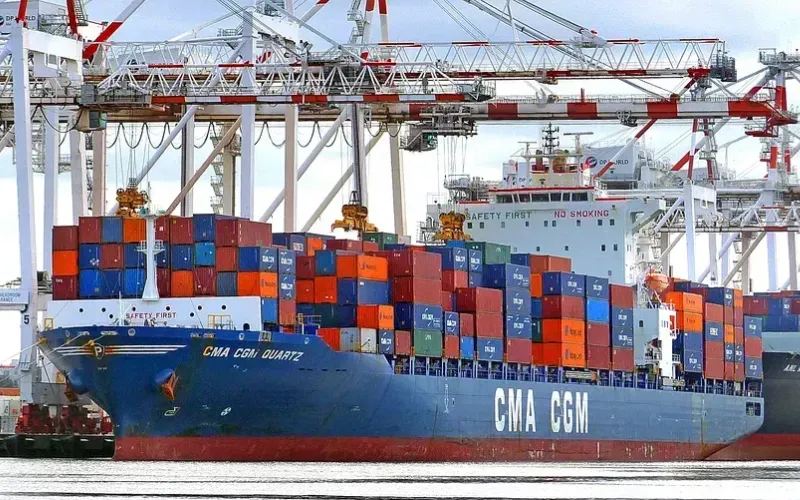
Who should run China to New Zealand sea freight—and what must they handle?
A freight forwarder for China to New Zealand sea freight should book prepaid ocean FCL (or LCL when volume fits), manage China export clearance and shipping documents, and align MPI biosecurity rules—including brown marmorated stink bug (BMSB) seasonal measures when your commodity is in scope—with your New Zealand customs broker before cargo sails. Yihang coordinates factory pickup, container or CFS loading, prepaid ocean to Tauranga, Auckland, or Lyttelton, and the import data your broker needs for the New Zealand Customs import entry; the importer holds a New Zealand Customs client code and Yihang is not the New Zealand importer of record.
Dalian Yihang Shipping Agency Co., Ltd. — Class-A international freight forwarder, NVOCC (Ministry of Transport), AEO advanced-certified (founded 2020). One desk for routing, documents, and prepaid ocean freight. A real person on our desk reviews every inquiry and replies with a written plan.
Published 2026-11-21 · By Delia Qu, Deputy General Manager
Per CBM or per weight/measure on the consolidator tariff
Per full container (20GP / 40GP / 40HC), subject to payload
Origin handling
Truck to CFS, tally, consolidation into a shared box
Truck to CY; one shipper’s cargo stuffed in the box
New Zealand destination
Deconsolidation at a NZ CFS; release after Customs and MPI clearance
Full container to port CY or door; no shared devanning
Biosecurity touchpoints
Same ISPM 15 and MPI rules; extra scrutiny on consolidated lots
Your seal and packing only—still subject to MPI checks
Best Yihang fit
Small lots, samples, first orders into New Zealand
Repeat commercial programs, heavy cargo, machinery, timber-rich loads
Pre-booking checklist: China to New Zealand with a forwarder
Gross weight and CBM—or container count and type if you already know FCL.
Commodity, HS code if known, and whether the load includes timber packaging, food, soil risk, used machinery, vehicles, or parts.
Factory or pickup city in China and the real New Zealand destination (Tauranga, Auckland, Lyttelton, or door—not only “NZ”).
Incoterm (EXW, FCA, FOB, CIF, DAP, etc.) and whether you want port discharge or door delivery—see /insights/dpu-dap-ddp-door-delivery-from-china/ and /solutions/door-to-door/.
Cargo-ready date; if sailing falls in MPI’s BMSB high-risk window, confirm whether your goods are targeted and what treatment or declarations MPI expects (Sources).
New Zealand importer of record identified, with a New Zealand Customs client code for the import entry (Customs Sources).
Your New Zealand customs broker named on the inquiry if Yihang should share shipping documents before arrival.
Ask for both FCL and LCL quotes when volume is between about 12 and 15 CBM or when weight is ambiguous—see /insights/weight-or-cube/ and /insights/lcl-vs-fcl-china-to-usa/ for the same band logic on another lane.
Wooden pallets or crates: confirm ISPM 15 marks before pickup—/insights/ispm-15/.
What a China to New Zealand forwarder should do at origin
Trucking or rail feed from the factory to the load port or CFS—Dalian and other North China origins often connect via Shanghai, Ningbo, Qingdao, or Tianjin before the ocean leg; name the factory city on the quote.
Export customs clearance on Yihang’s AEO brokerage file: commercial invoice and packing list aligned with the physical cargo, export declaration, and any export licence when Chinese rules require it for the commodity.
Ocean booking on prepaid terms—Yihang quotes prepaid ocean only; destination unpack and delivery are separate lines when you request them.
Container loading (FCL) or CFS receipt and consolidation (LCL), including VGM submission for FCL.
Shipping documents for the ocean leg: bill of lading instructions, certificate of origin when you claim preferential duty, fumigation or treatment certificates when MPI rules require them.
Coordination with your supplier so timber, machinery, or used equipment is declared before pickup—not discovered at the New Zealand port.
What happens in New Zealand: Customs, MPI, and your broker
New Zealand Customs processes the import entry (often called an import declaration or clearance entry) for GST and duty. The importer of record lodges the entry—usually through a licensed broker—using a New Zealand Customs client code (see Customs Sources).
MPI (Ministry for Primary Industries) enforces biosecurity alongside Customs: import health standards set the rules for food, plants, wood, and many other commodities; MPI may inspect, hold, or direct treatment before release.
Brown marmorated stink bug (BMSB) management: MPI applies seasonal measures to targeted pathways—especially vehicles, machinery, and parts from BMSB-risk countries during the BMSB-risk season, with treatment required before arrival for many targeted goods (see MPI BMSB Sources). MPI’s published guidance states the BMSB risk season ends for goods arriving after 30 April; confirm current season dates and product lists on MPI’s seasonal measures page.
Wood packaging must meet ISPM 15 when solid wood is used—see /insights/ispm-15/. Dirty containers, soil on machinery, or undeclared timber are common hold reasons.
Yihang is not the New Zealand importer. China export is on Yihang’s file; New Zealand import entry and GST sit with the importer unless a specific quote names broker services.
Main New Zealand container ports—and how to choose
Tauranga: the main container volume port for New Zealand; many China services discharge here even when the buyer says “Auckland.”
Auckland: the city most importers mean for a door address; cargo discharged at Tauranga is often trucked north on a separate inland leg that must be on the same quote.
Lyttelton: the South Island gateway for Christchurch and Canterbury; routing depends on the sailing rotation named on your booking—not a short domestic feeder from Auckland.
Napier and other gateways appear on some commodity flows; the right port is the one that keeps total prepaid cost sensible to your door, not the port with the lowest ocean line in isolation.
Lane planning context (not a confirmed sailing): see /lanes/china-to-new-zealand/ for how Yihang describes FCL, LCL, and feeder time from China.
FCL vs LCL for New Zealand (FCL first)
FCL gives one shipper a full 20GP, 40GP, or 40HC for the ocean leg. It suits most repeat commercial loads from about 15 CBM, dense cargo that hits weight before cube, machinery on skids, and anything that should not share a box with other shippers.
LCL shares container space. It fits many orders under about 12 CBM when cargo is stackable and not unusually heavy. Origin CFS handling and New Zealand deconsolidation add cost lines that can erase a cheap ocean rate—compare totals, not only per-CBM ocean.
Between about 12 and 15 CBM, ask Yihang to price both modes on one prepaid reply—the same rule as /insights/lcl-vs-fcl-china-to-usa/ and /insights/weight-or-cube/.
Used construction or agricultural machinery may trigger additional MPI pathways regardless of mode—see /insights/shipping-construction-equipment-from-china/.
BMSB season: what importers should plan now
MPI runs heightened brown marmorated stink bug (BMSB) border management during an annual high-risk season. Official newsletters describe this window as 1 September through 30 April for operational planning; MPI’s importer guidance ties obligations to the BMSB-risk season and to arrival timing relative to 30 April—verify the live product lists and dates on MPI’s seasonal measures page (Sources).
Vehicles, machinery, and parts from BMSB-risk countries are central targets; MPI may require approved treatment before goods arrive in New Zealand. Treatment on arrival is not a shortcut for goods that must be treated offshore under the applicable standard.
General cargo in FCL can still face additional inspections of containers from risk countries during the season—declare packaging, dunnage, and any nested used units honestly on the packing list.
Australia runs parallel BMSB rules on a slightly different calendar—if you also import to Australia, compare /insights/ddp-lcl-china-to-australia/ and /lanes/china-to-australia/, but follow New Zealand MPI rules for this lane.
If your cargo-ready date sits near a season boundary, say so on the inquiry. Treatment lead time and documentation must be baked into the plan before booking.
Documents checklist (ocean FCL or LCL)
Commercial invoice and packing list matching the physical shipment (weights, carton count, nested parts).
Bill of lading or sea waybill instructions: consignee, notify party, and port of discharge consistent with the quote.
Certificate of origin when you claim a preferential tariff rate.
ISPM 15 compliance evidence for solid-wood pallets, crates, or dunnage—/insights/ispm-15/.
Treatment certificates or manufacturer declarations when MPI import health standards or BMSB rules require them for your commodity.
Import permit or biosecurity approval numbers when MPI requires them for food, plants, or controlled products.
Copy to your New Zealand broker early enough to lodge the import entry before arrival when their process requires it.
How to vet a China to New Zealand forwarder (questions to ask)
Do you quote prepaid ocean only, with destination unpack and delivery shown as separate optional lines? (Yihang does not offer freight collect.)
Who files China export customs, and is the broker AEO-registered?
Will you price both FCL and LCL when my volume is borderline?
Which New Zealand port do you book, and is trucking to Auckland or Christchurch included in this quote?
How do you hand over documents to my New Zealand broker, and what lead time do you need for BMSB or MPI-sensitive commodities?
What happens if MPI holds the container—do you coordinate with my broker, and what costs are at actual versus included?
Can you name a recent similar commodity move without breaking client confidentiality? (Pattern only, not a rate.)
How Yihang fits this lane
Prepaid ocean FCL is the core product; LCL is quoted when the numbers fit.
China export on the AEO brokerage file; coordination with your New Zealand broker for import entry data.
Dalian headquarters with loading from East and South China ports per the rotation on /lanes/china-to-new-zealand/.
Door delivery quoted on request when address and commodity are confirmed—/solutions/door-to-door/.
Customs brokerage scope for China export: /services/customs-brokerage/; ocean booking: /services/ocean-freight/.
Linked pages are the publishers’ own. A figure on this page is theirs, for the date named. It is not a Yihang rate.
Questions shippers ask
What does a freight forwarder do on China to New Zealand sea freight?
At origin: pickup, export clearance, booking, and documents. At destination: prepaid ocean to the named New Zealand port, data for your broker’s import entry, and optional unpack or delivery when quoted. MPI biosecurity and GST clearance stay with the importer and broker unless your quote says otherwise.
Should I use FCL or LCL to New Zealand?
Under about 12 CBM, start with LCL unless the cargo is dense or needs a private box. From about 15 CBM, FCL is usually cleaner. Between 12 and 15 CBM, price both. New Zealand deconsolidation fees can flip the answer—compare on one quote.
Auckland or Tauranga on the bill of lading?
Many containers discharge at Tauranga even for Auckland buyers. The quote should name the ocean port and any truck to Auckland on the same prepaid file. Lyttelton is the South Island ocean gateway.
What is BMSB season for New Zealand imports?
MPI applies brown marmorated stink bug management during an annual high-risk season to targeted goods—especially vehicles, machinery, and parts. MPI’s guidance ties the season to arrival before the end of April; confirm dates and product scope on MPI’s seasonal measures page linked in Sources on this guide.
Do I need a New Zealand Customs client code?
Importers lodging import entries need a New Zealand Customs client code. Yihang is not the importer of record. See New Zealand Customs Sources on this page and name your broker on the inquiry.
Does Yihang offer freight collect to New Zealand?
No. Ocean freight is quoted prepaid. Destination services are priced separately when you request them.